
Genome Science
Single-Cell Genomics
Cell-resolved transcriptomes, epigenomes and multi-omic atlases.
Scientific context
Understanding the field
Methods and applications for resolving cellular heterogeneity in development and disease, including integration across modalities and tissues.
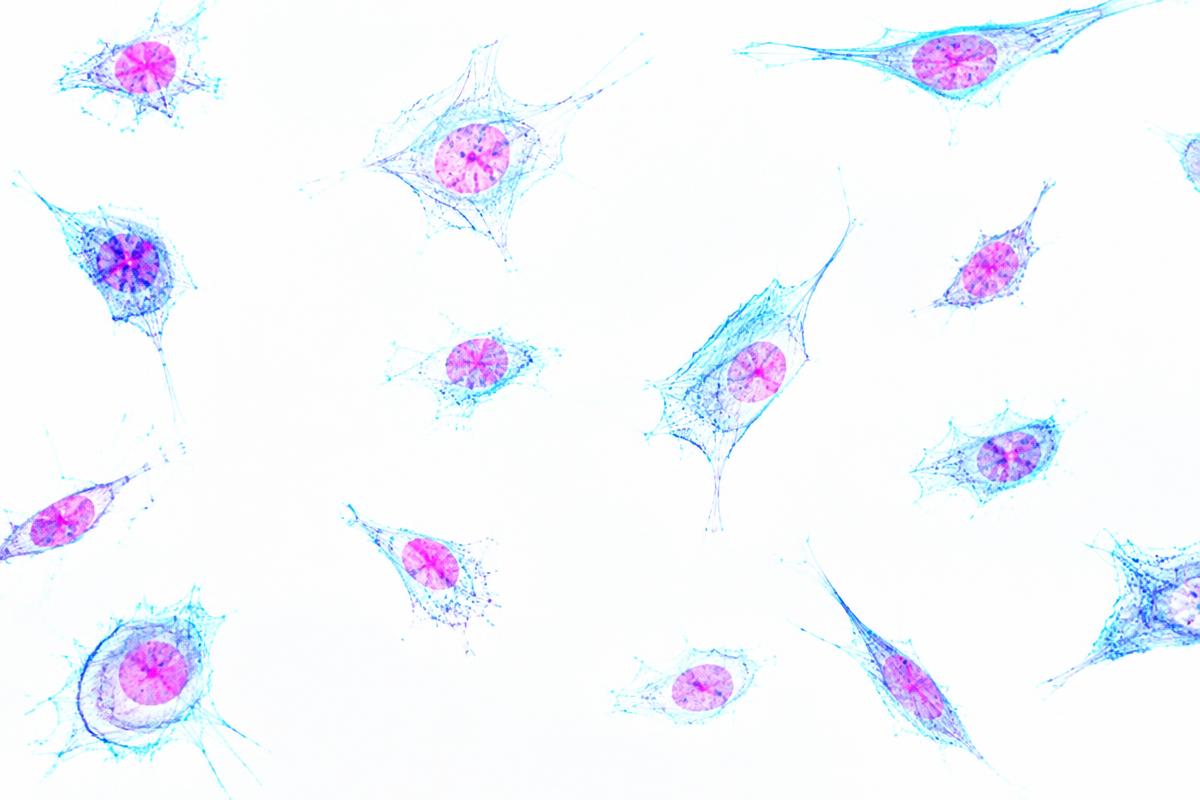
Single-cell genomics measures molecular features cell by cell, revealing heterogeneity concealed by bulk samples. Multimodal studies can jointly profile RNA, chromatin, proteins or lineage information.
Central questions
- Which cell states compose a tissue or disease process?
- How do cells transition and interact over time?
Methodological framework
- Single-cell RNA and chromatin sequencing
- Multimodal integration and cell-type annotation
- Trajectory, spatial and batch-aware analysis
Relevance
Scientific and clinical value
Cell-resolved maps refine biological models, identify rare states and generate testable hypotheses about development, immunity and disease mechanisms.
Limits and responsibility
Dissociation, sparse measurements, batch effects and annotation choices can create artefacts. Cell clusters are analytical models, not automatically distinct biological entities.
Authoritative resources
Public reference resources
These independent resources are provided for scholarly orientation; inclusion does not imply an institutional partnership. This page does not replace medical advice or diagnosis.